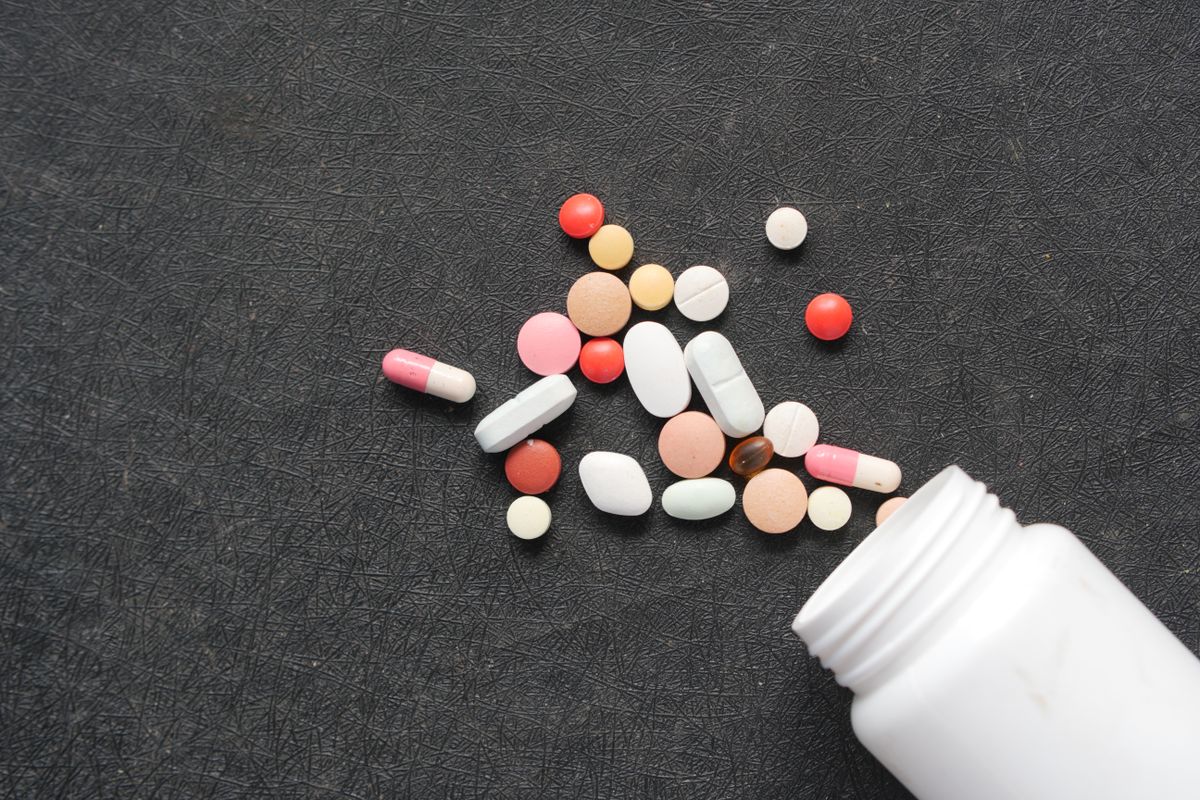
Why Tylenol Is Especially Dangerous for Cats
Acetaminophen (Tylenol) deserves specific attention because cats lack a liver enzyme that both humans and, to a lesser degree, dogs have for processing it safely. Even a fraction of a single regular-strength tablet can be genuinely life-threatening to a cat, causing damage to red blood cells that impairs their ability to carry oxygen, along with liver damage.
This poisoning is almost always accidental — a dropped pill, a cat knocking a pill organizer off a counter, or in rare unfortunate cases, an owner giving it intentionally without knowing the risk, sometimes based on advice meant for dogs (where the risk, while still real, is somewhat lower).
Symptoms to watch for: swelling of the face or paws, difficulty breathing, a brownish or muddy discoloration of the gums (from the blood's reduced oxygen-carrying capacity), lethargy, and vomiting. These can appear within a few hours.
What to do right now: any known or suspected ingestion in a cat should be treated as an emergency immediately, not monitored, given how small an amount can be dangerous and how quickly effects progress.
When it's an emergency: always, for any cat and any amount. This is one of the least forgiving toxicities on this entire list.
## Related Reading
- Human Painkillers Are More Dangerous to Pets Than People Assume
- Human ADHD Medication Poses a Serious Risk to Pets
- Laundry Detergent Pods: A Concentrated, Fast-Acting Danger
---
This is general information, not a substitute for an actual assessment of your specific pet, weight, and situation. If you're ever unsure whether something your pet ate needs immediate attention, a quick video vet consultation can tell you in minutes whether to monitor at home or head to a clinic.
Still have questions?
Don't rely on Google if your pet is showing symptoms. Get a professional opinion in minutes.
Talk to a Vet Now