Toxic Foods & Substances
Clear, factual guides on what your pet can and cannot safely ingest.
What we cover
- ✓Is [food] safe for dogs? (40+ common items)
- ✓Holiday plants & seasonal toxins
- ✓Antifreeze & household chemicals
- ✓Human medications & pets
Why Tylenol Is Especially Dangerous for Cats
Cats lack the liver enzyme needed to safely process acetaminophen, making even a small amount potentially fatal — this one is genuinely different from other pain relievers.
Human ADHD Medication Poses a Serious Risk to Pets
Amphetamine-based ADHD medications are among the more dangerous accidental human-medication poisonings in pets, acting fast and hitting the heart and nervous system hard.
Alcohol Poisoning in Dogs and Cats Happens Faster Than You'd Think
It doesn't take much alcohol to seriously affect a dog or cat, and unattended drinks or spilled cocktails are more common causes than people expect.

Antidepressants and Pets: An Increasingly Common Accidental Poisoning
As antidepressant use has become more common, so has accidental ingestion by pets, and the effects range from mild to seizure-inducing depending on the type and dose.
Antifreeze Poisoning: Why Minutes Matter
Antifreeze has a sweet taste pets are drawn to and causes fatal kidney failure within days if untreated — but there's a real treatment window if caught fast.

Autumn Crocus: A Small Flower With Outsized Danger
Autumn crocus contains a compound that causes serious, sometimes delayed, multi-organ damage in pets, and it's easy to confuse with the harmless spring crocus.
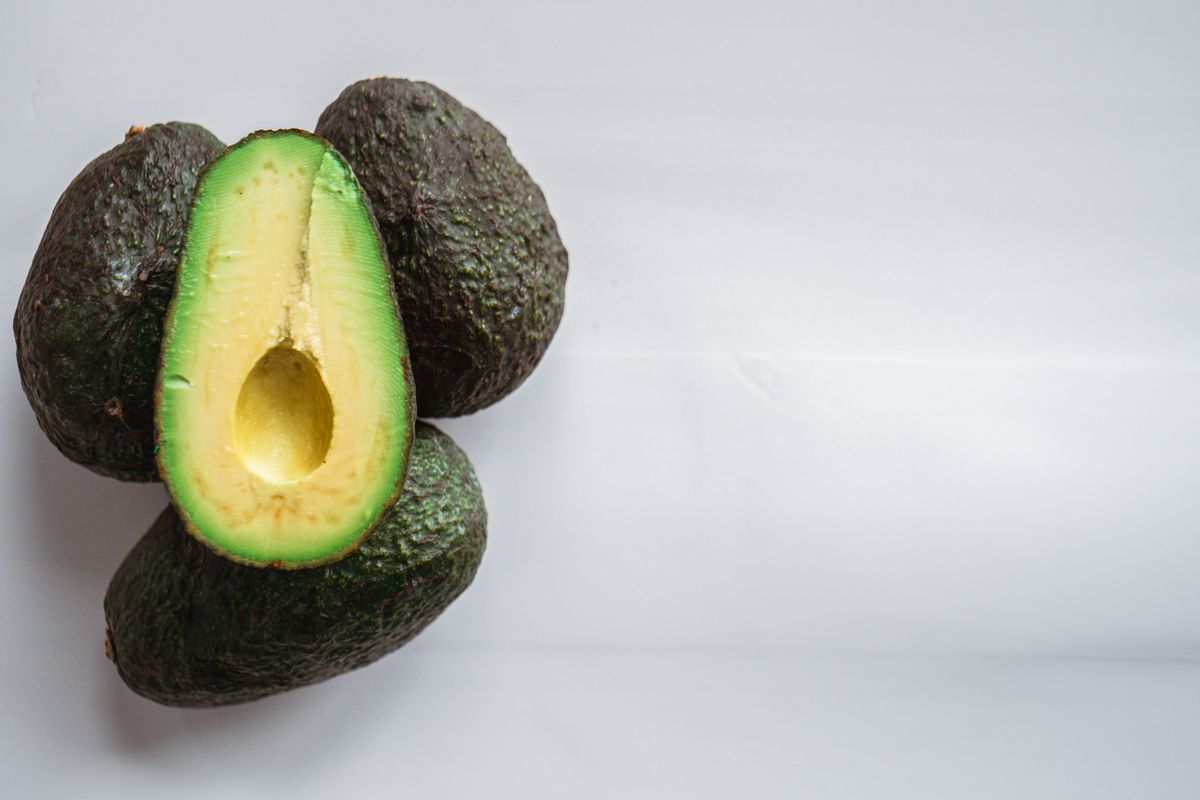
Is Avocado Actually Dangerous for Dogs?
Avocado has a scarier reputation than the evidence fully supports for dogs specifically. Here's what's actually true and what to watch for.

Azaleas and Rhododendrons: A Common Landscaping Danger
Azaleas and rhododendrons are common in landscaping and contain toxins that affect the heart, not just cause stomach upset.
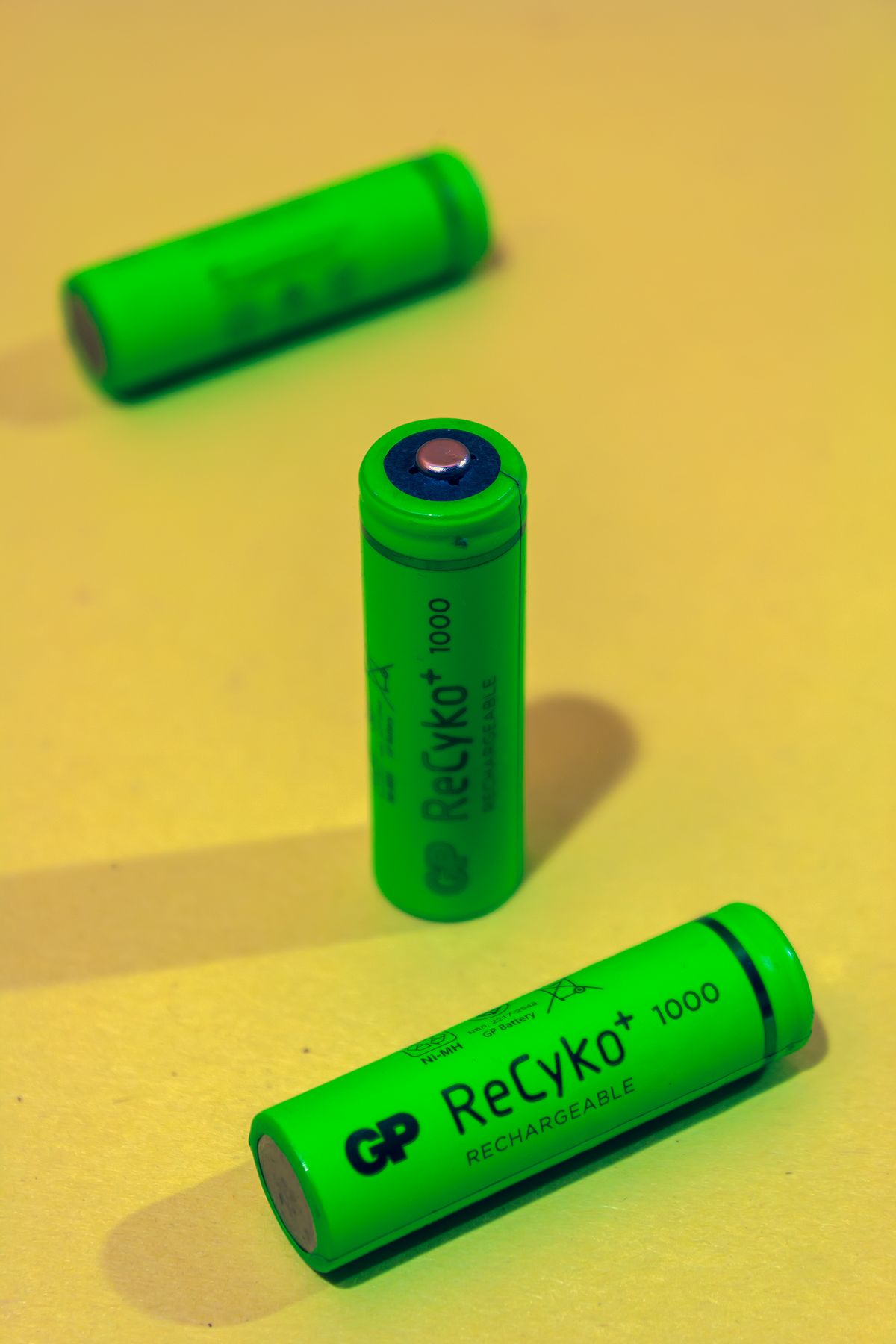
Batteries: A Chemical and Mechanical Double Threat
A swallowed battery is both a corrosive chemical hazard and a physical obstruction risk, and button batteries specifically can cause damage within hours.

Is Bread Actually Safe for Dogs? What the Dough Warning Is Really About
Baked bread and raw rising dough are two very different situations for dogs, and most of the fear around 'bread' actually only applies to the raw dough stage.

Coffee, Tea, and Energy Drinks: Caffeine Toxicity in Pets
Coffee grounds, tea bags, and energy drink spills are common sources of caffeine toxicity, and coffee grounds are more concentrated than people realize.
Castor Beans: An Uncommon but Extremely Dangerous Seed
The castor bean plant contains ricin, one of the most potent natural toxins known, concentrated in the seed casing that's sometimes used in jewelry and decor.

Is Chocolate Actually Toxic to Dogs? Here's the Real Risk
Not all chocolate is equally dangerous to dogs. Here's what actually determines the risk, and when a nibble is fine versus when it's an emergency.

Christmas Tree Water: The Overlooked Holiday Hazard
The water sitting in a Christmas tree stand can harbor bacteria, tree sap residue, and sometimes preservative additives that cause digestive upset in pets.
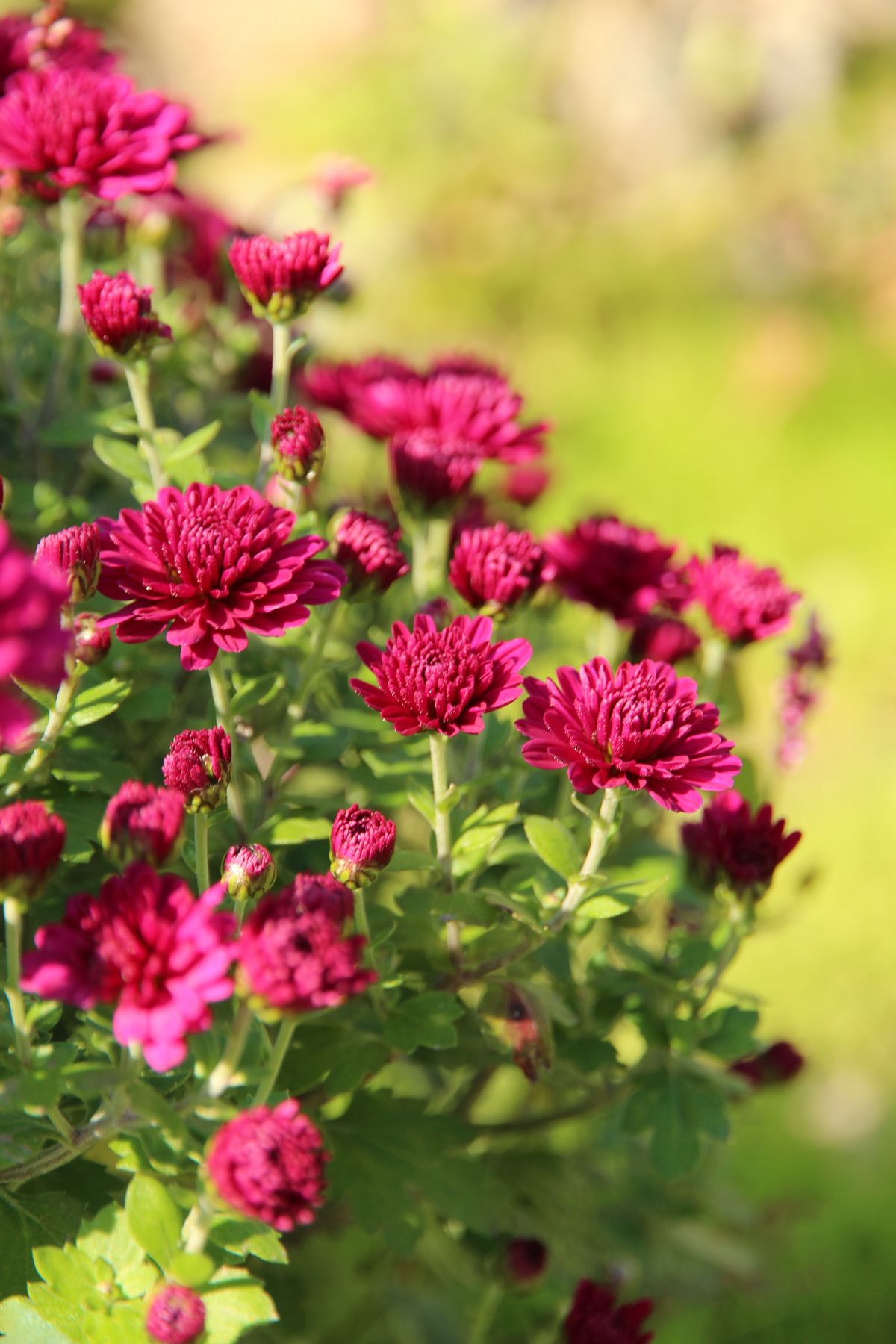
Chrysanthemums: The Pyrethrin-Containing Flower
Chrysanthemums contain natural pyrethrins, the same compound class used in some flea treatments, which is why ingestion causes a specific set of symptoms.
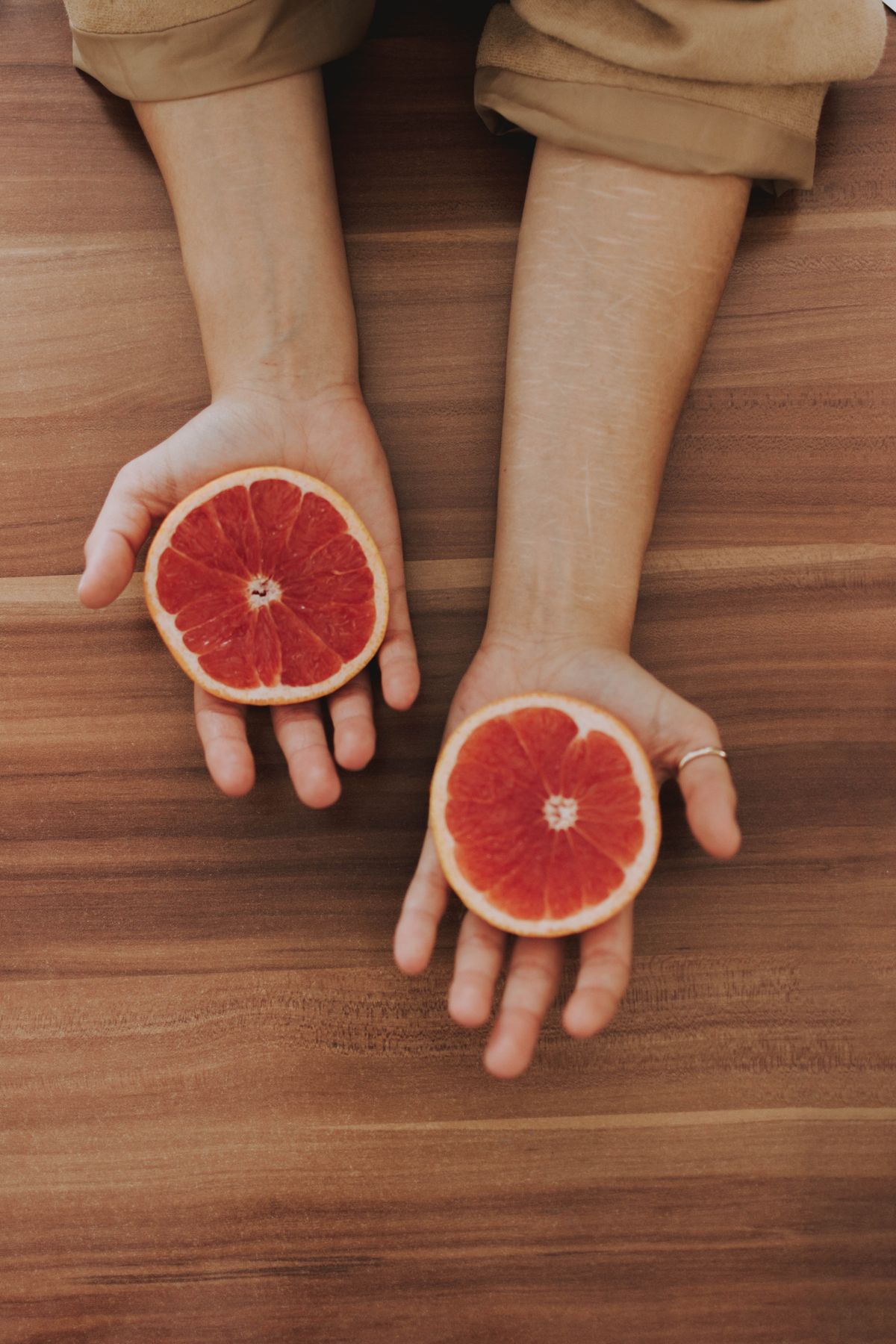
Are Lemons and Limes Actually Dangerous for Pets?
Citrus fruit itself is mostly just unappealing and mildly upsetting to pets, but the peel and essential oils in citrus carry more real risk.

Cocoa Mulch: The Garden Product That Smells Like Chocolate to Dogs
Cocoa mulch contains the same toxic compound as chocolate and smells appealing enough to dogs that ingestion happens more often than people expect.

My Dog Ate Chocolate: What to Do Right Now
Learn about dog ate chocolate: causes, symptoms, treatment, and when to call a vet. Vet-backed advice from Waggle Vet.

Dog Poisoning Symptoms: Warning Signs Every Owner Must Know
Learn about dog poisoning symptoms: causes, symptoms, treatment, and when to call a vet. Vet-backed advice from Waggle Vet.

English Ivy: A Common Houseplant With Real Toxicity Risk
English ivy is a popular trailing houseplant that causes more than mild stomach upset in pets who chew on it regularly.

Tea Tree Oil and Essential Oils: A Danger Hiding in Wellness Products
Concentrated essential oils, especially tea tree oil, cause real toxicity in pets, often from well-meaning home remedies rather than accidental ingestion.
Lawn and Garden Fertilizer: A Common Backyard Hazard
Fertilizer toxicity ranges from mild stomach upset to serious poisoning depending on the ingredients, and some products are far more dangerous than others.

Foxglove: A Garden Beauty With a Genuinely Dangerous Heart Effect
Foxglove contains the same class of compound used in certain heart medications, and it affects a dog's heart directly if eaten.

Glow Sticks: Usually More Dramatic Than Dangerous
Cats biting into glow sticks produce an alarming amount of foaming and drama for something that's rarely actually dangerous. Here's what's really going on.

Grapes and Raisins Are More Dangerous to Dogs Than Most Owners Realize
Grapes and raisins can cause sudden kidney failure in dogs, and the scary part is nobody knows exactly why, or how much is too much.
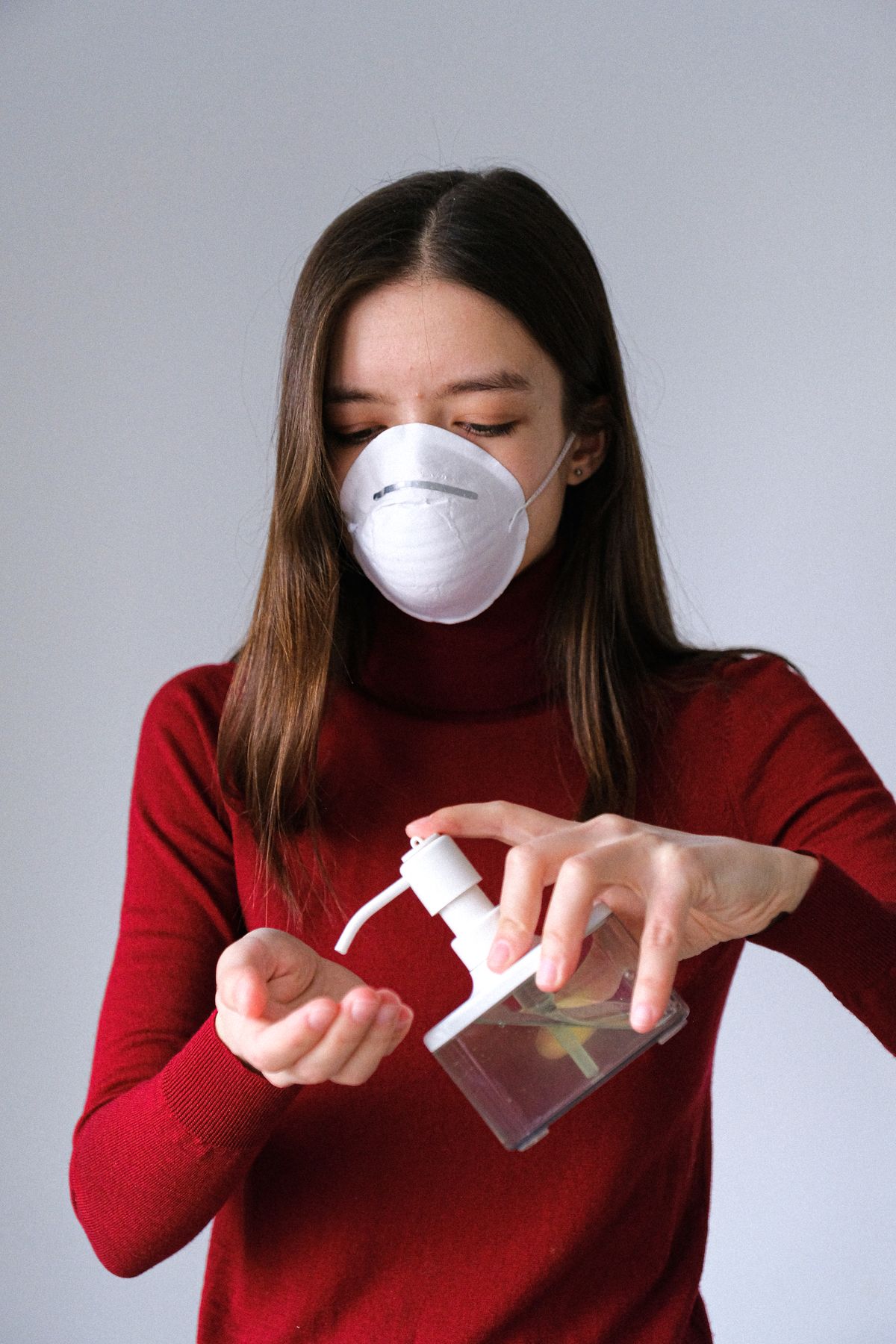
Hand Sanitizer: A Small Bottle, a Real Alcohol Risk
Most hand sanitizers are 60-70% alcohol, making a chewed or punctured bottle a genuine alcohol poisoning risk, especially for smaller pets.
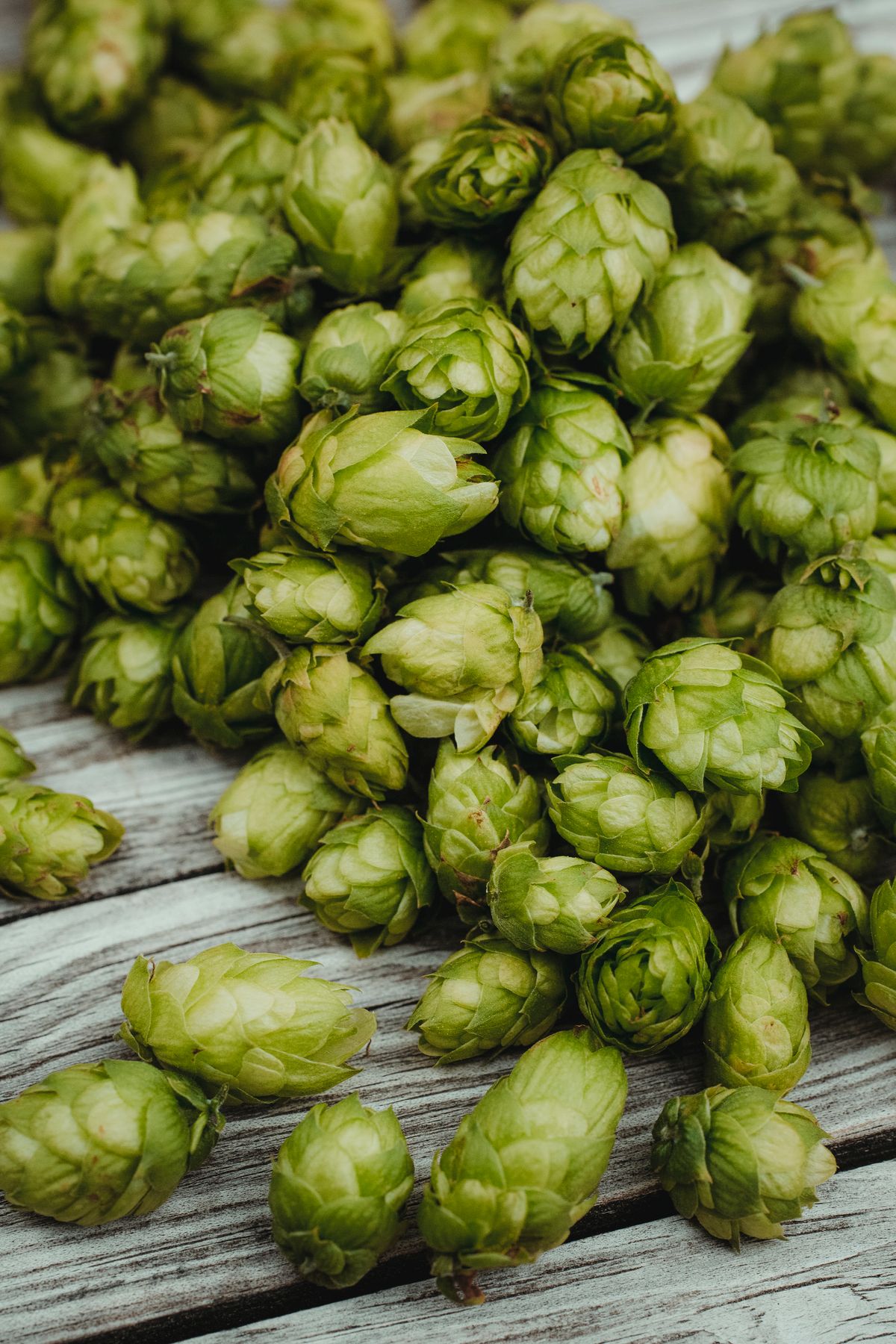
Hops: A Surprising and Serious Danger for Dogs
Hops used in home beer brewing cause a rare but severe reaction in dogs called malignant hyperthermia, and it's one of the fastest-moving emergencies on this list.
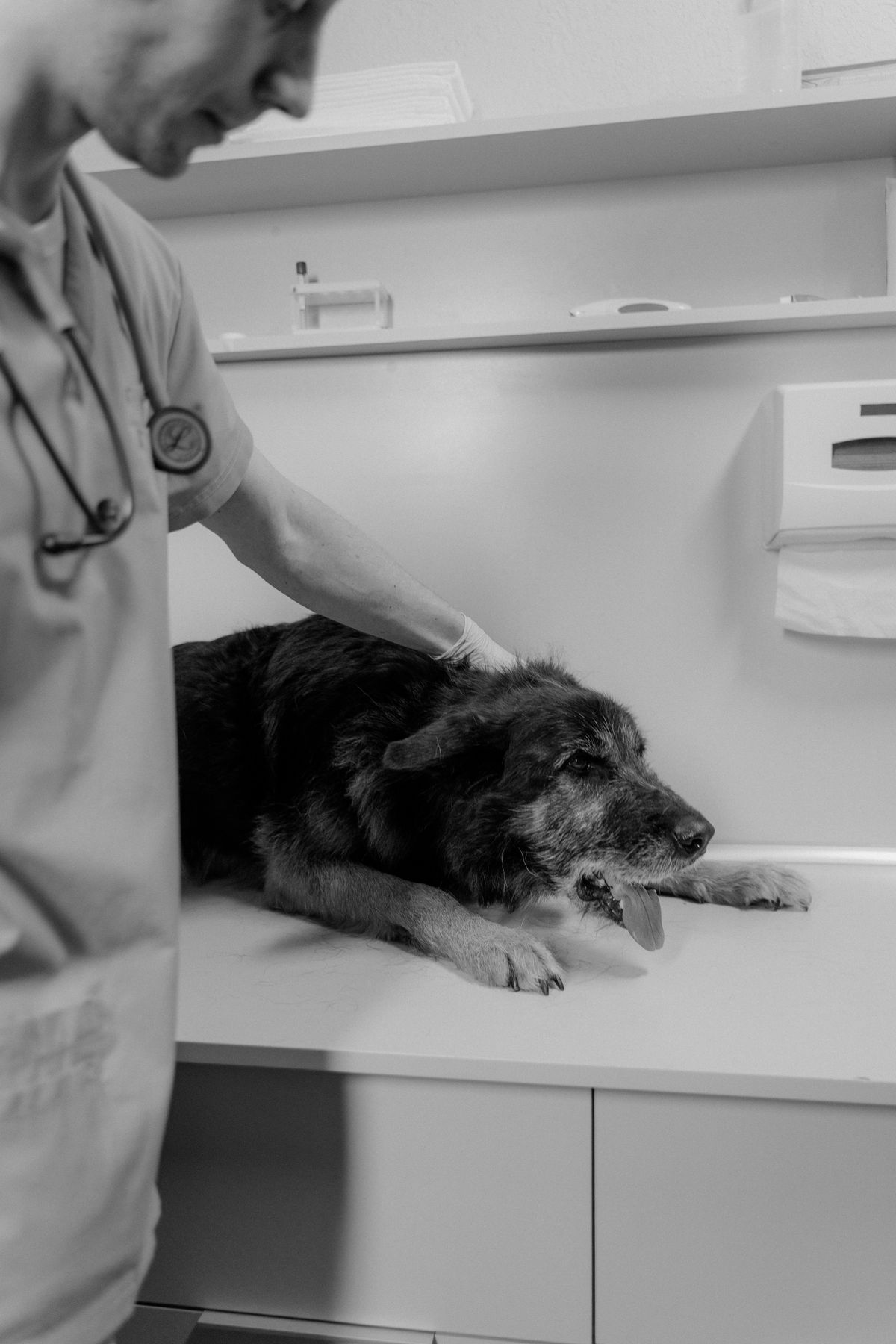
Human Painkillers Are More Dangerous to Pets Than People Assume
A single ibuprofen or naproxen tablet can cause serious harm to a dog or cat — this is one of the most common accidental poisonings vets see.
Laundry Detergent Pods: A Concentrated, Fast-Acting Danger
Laundry pods are more concentrated than traditional liquid detergent and rupture easily in a pet's mouth, causing immediate chemical burns.

Lilies Are an Emergency for Cats, Not Just an Irritant
True lilies cause acute kidney failure in cats from even small amounts of pollen or a nibbled leaf, and it's treated very differently than most plant ingestions.
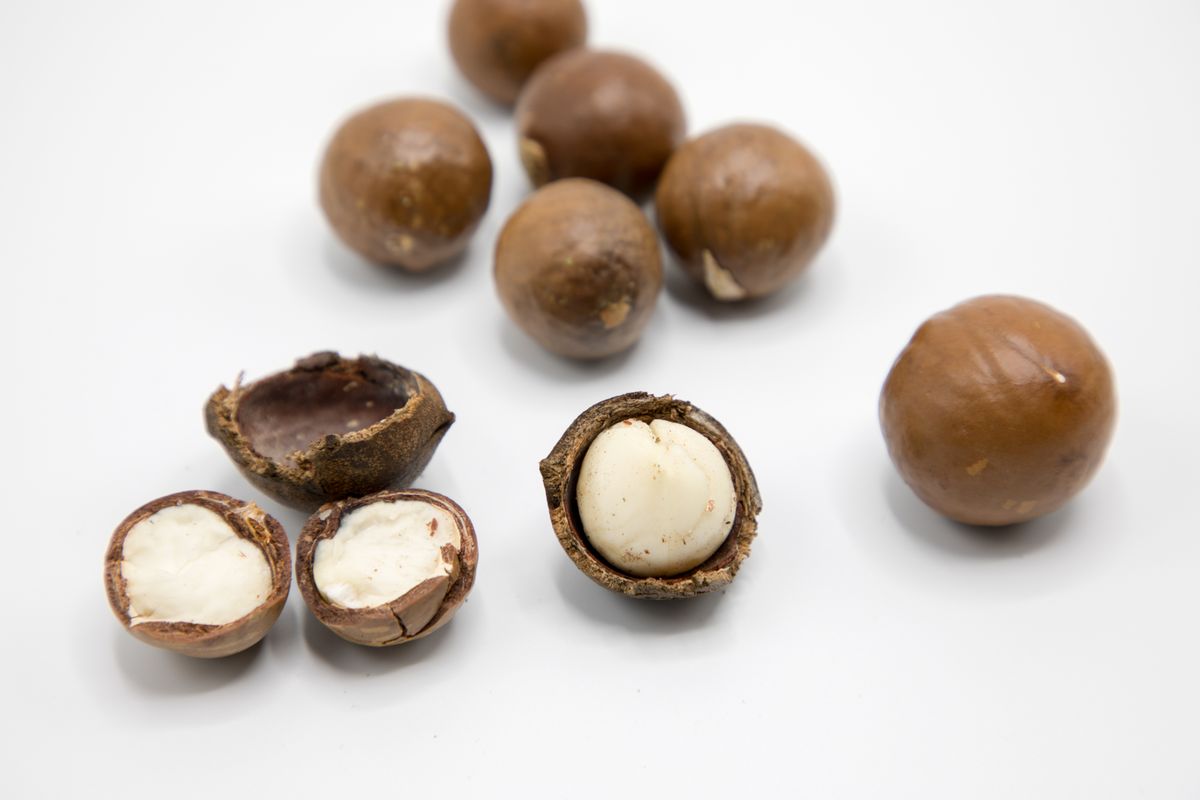
Macadamia Nuts and Dogs: A Strange, Specific Toxicity
Macadamia nuts cause a bizarre, temporary paralysis-like reaction in dogs that's rarely fatal but genuinely alarming to witness.

My Dog Got Into Marijuana Edibles — What Actually Happens
THC toxicity in dogs is rarely fatal on its own but genuinely unsettling to witness, and edibles carry extra risk from other ingredients like chocolate or xylitol.

Mistletoe and Holly: Holiday Plants With Real Risk
Both classic holiday decorations, mistletoe and holly cause different but genuinely uncomfortable reactions in pets who get into them.
Moldy Food and Compost: An Overlooked Backyard Hazard
Certain molds that grow on old food and compost produce toxins that cause severe tremors and seizures in dogs, a condition vets see more often than people expect.

Moldy Walnuts: A Backyard Tree With Hidden Danger
Fresh walnuts are mostly a mechanical and fat-content concern, but moldy black walnuts specifically contain a dangerous neurotoxin.

Mothballs Are More Toxic Than Their Old-Fashioned Reputation Suggests
Mothballs contain concentrated pesticide compounds that are genuinely dangerous if eaten, not just an old-fashioned smell to avoid.
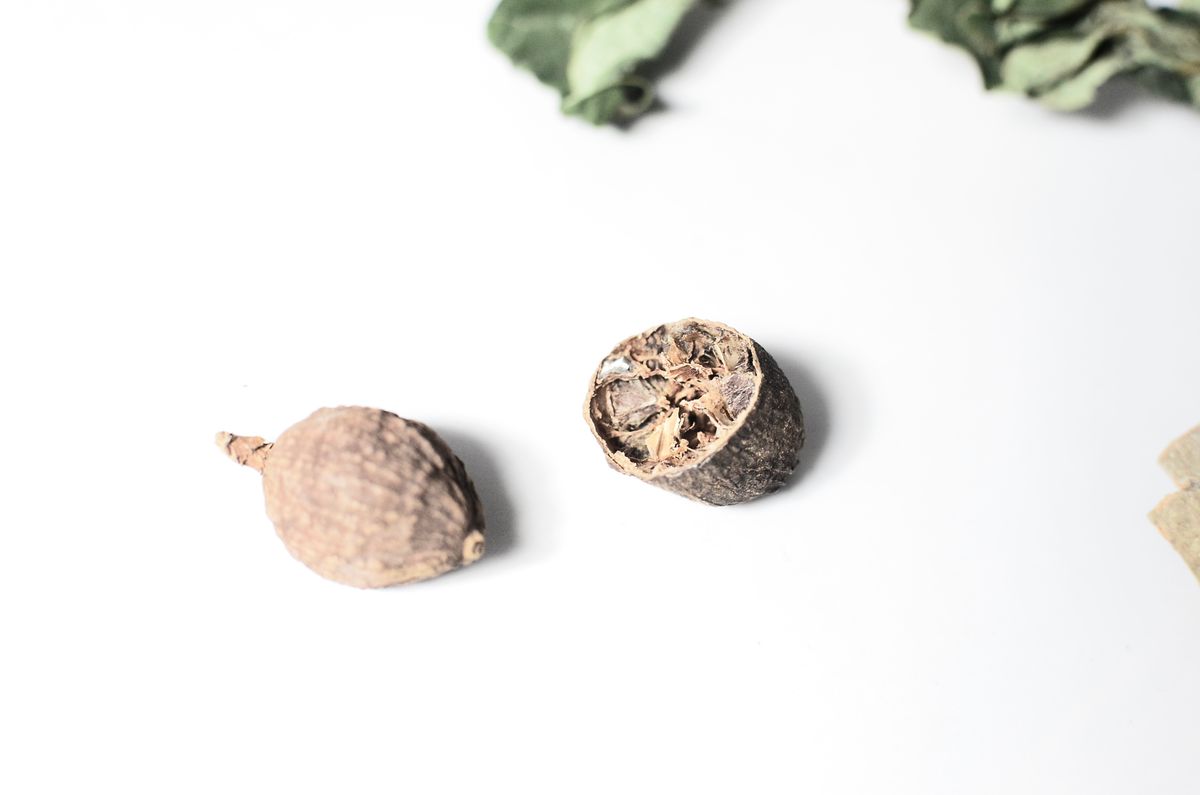
Is Nutmeg Dangerous for Dogs?
A small amount of nutmeg in a baked good is unlikely to cause serious harm, but larger amounts contain a compound with genuine hallucinogenic and toxic effects.

Oleander: A Beautiful Plant With a Genuinely Dangerous Reputation
Oleander is one of the most toxic common ornamental plants, affecting the heart directly, and its danger is not exaggerated.
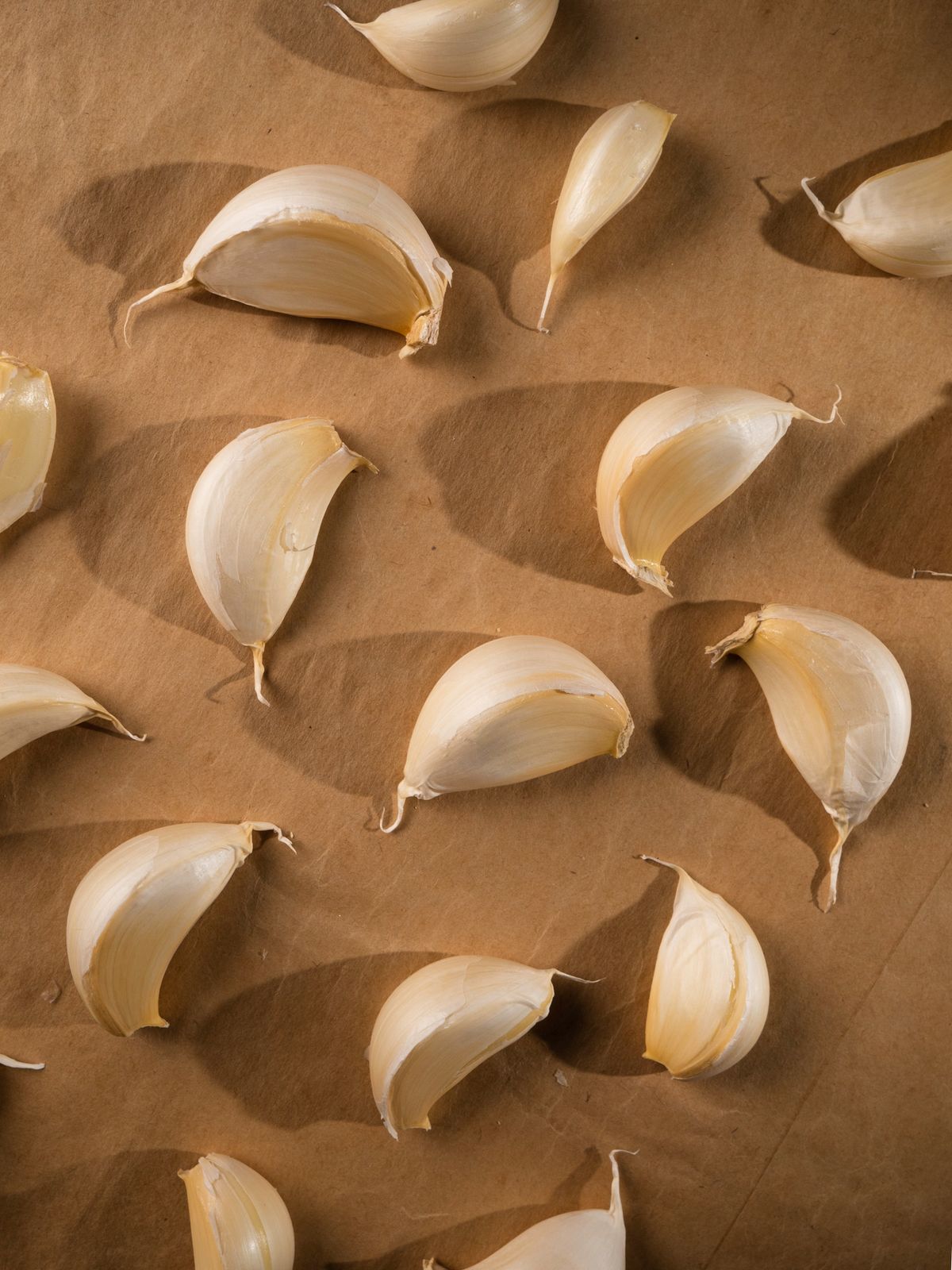
Onions and Garlic: The Slow-Building Danger for Dogs and Cats
Onion and garlic toxicity builds up over time and can come from a single large ingestion or repeated small amounts in table scraps or seasoned food.

Which Peanut Butter Is Actually Safe for Dogs?
Peanut butter itself is fine for most dogs, but a growing number of 'natural' and sugar-free brands now contain xylitol, which is not fine at all.
Why Dog Flea Treatment Can Be Deadly for Cats
Permethrin, common in dog-specific flea treatments, is highly toxic to cats — and this poisoning almost always happens by well-meaning accident.

Is Poinsettia Actually Toxic? Debunking the Holiday Myth
Poinsettias have a scary reputation that's genuinely overblown. Here's what actually happens if your pet chews on one, based on real toxicology data.

Is Rhubarb Leaf Toxic to Dogs?
Rhubarb stalks are the part people eat, but the leaves contain concentrated oxalates that are genuinely dangerous to dogs.
Rat and Mouse Poison: What to Do If Your Pet Got Into It
Rodenticides work in different ways depending on the type, and knowing which kind matters enormously for figuring out urgency and treatment.

Sago Palm: One of the Most Dangerous Common Houseplants
Every part of a sago palm is toxic, but the seeds are especially concentrated, and this plant causes liver failure in dogs more often than almost any other.
Is Silica Gel Actually Dangerous If a Dog Eats It?
Those little packets in shoe boxes and food packaging look concerning, but silica gel itself is one of the least dangerous things a dog can accidentally eat.
Are Pits and Seeds From Stone Fruit Dangerous for Dogs?
Peach, cherry, apricot, and plum pits contain cyanogenic compounds and pose a serious choking and obstruction risk on top of that.

Is Xylitol Gum Specifically More Dangerous Than People Realize?
A dropped pack of sugar-free gum is one of the most common xylitol exposures, and dogs are drawn to the packaging as much as the gum itself.

Tea Bags and Loose Tea: An Overlooked Caffeine Source
Tea bags left in a trash can or on a counter are a commonly overlooked caffeine source, and dried tea leaves are more concentrated than a brewed cup.

Tulip and Daffodil Bulbs: Worse Than the Flowers Themselves
The flowers of tulips and daffodils are only mildly irritating, but the bulbs are far more concentrated and pose a double risk of toxicity and blockage.

Vitamin D Toxicity: When a Supplement or Rodenticide Causes Real Harm
Vitamin D toxicity, whether from a supplement overdose or a specific type of rat poison, causes dangerous calcium buildup that damages the kidneys and heart.

Xylitol and Dogs: Why This Sweetener Is So Dangerous
Learn about xylitol dogs: causes, symptoms, treatment, and when to call a vet. Vet-backed advice from Waggle Vet.

Why Xylitol Is One of the Most Dangerous Things in Your Kitchen
Xylitol is in more everyday products than people expect, and it's one of the fastest-acting toxins for dogs. Here's where it hides and what it does.