Batteries: A Chemical and Mechanical Double Threat
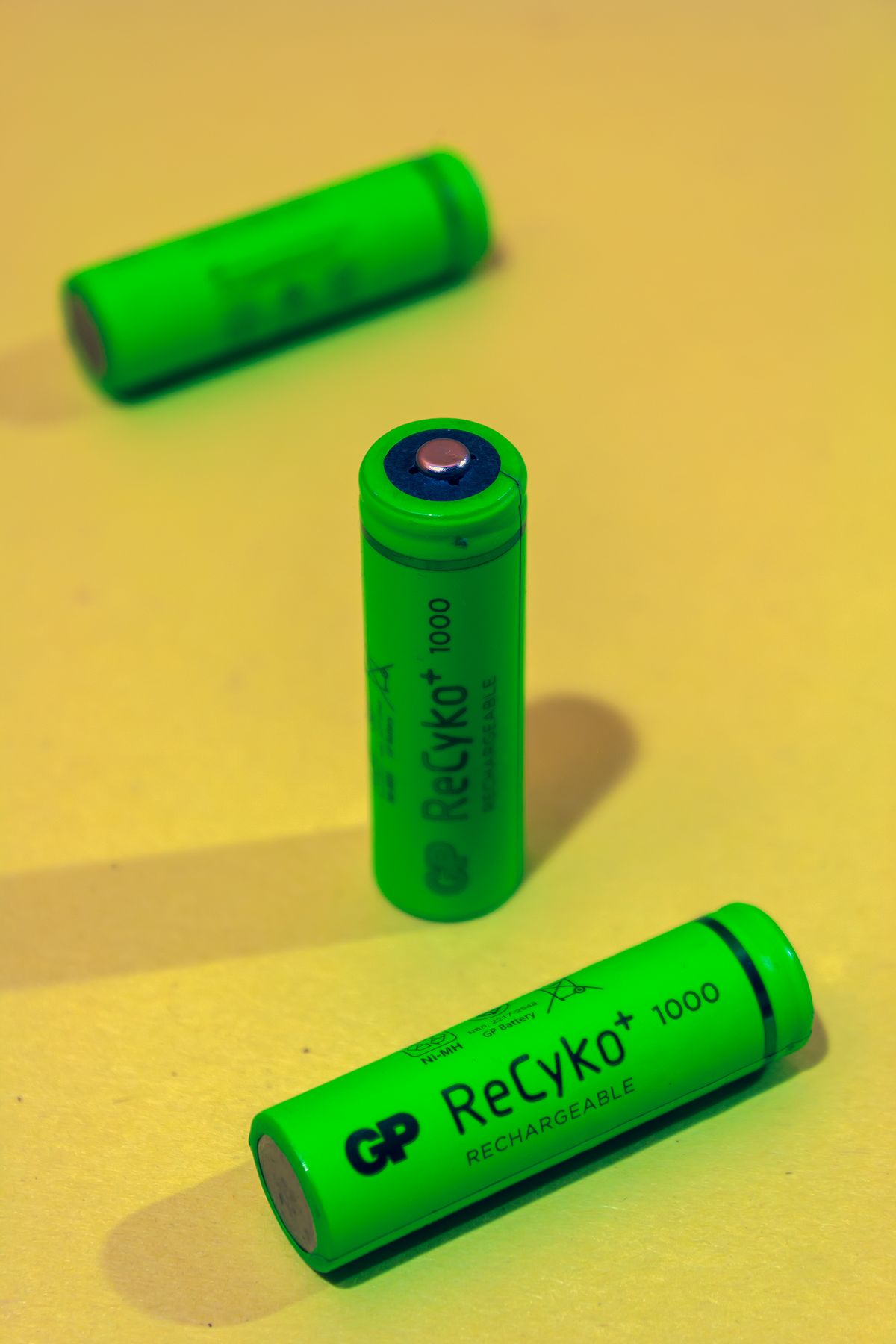
Batteries present a two-part problem: the casing can cause a physical obstruction depending on size, and if it ruptures or leaks (or in the case of button batteries, even if intact, from an electrical current burning tissue), the alkaline or acidic contents cause chemical burns to the mouth, esophagus, and stomach. Button/disc batteries, the small flat ones from remotes and watches, are actually the more urgent category despite their size — they can cause tissue damage within a couple of hours through electrical current alone, independent of any leaking.
Symptoms to watch for: drooling, pawing at the mouth, difficulty swallowing, vomiting, and visible burns or ulcers inside the mouth if you're able to check. With larger batteries, obstruction symptoms like repeated vomiting or lack of appetite may develop over a day or two.
What to do right now: do not induce vomiting — bringing a battery back up risks additional chemical burns to the esophagus and mouth on the way out that weren't there on the way down. Any swallowed battery, especially a button battery, needs an X-ray to locate it and assess whether it needs removal.
When it's an emergency: always, for a button/disc battery, given how quickly electrical damage can occur. For larger batteries, same-day assessment at minimum.
## Related Reading
- Glow Sticks: Usually More Dramatic Than Dangerous
- Lawn and Garden Fertilizer: A Common Backyard Hazard
- Tea Bags and Loose Tea: An Overlooked Caffeine Source
---
This is general information, not a substitute for an actual assessment of your specific pet, weight, and situation. If you're ever unsure whether something your pet ate needs immediate attention, a quick video vet consultation can tell you in minutes whether to monitor at home or head to a clinic.
Still have questions?
Don't rely on Google if your pet is showing symptoms. Get a professional opinion in minutes.
Talk to a Vet Now