Autumn Crocus: A Small Flower With Outsized Danger
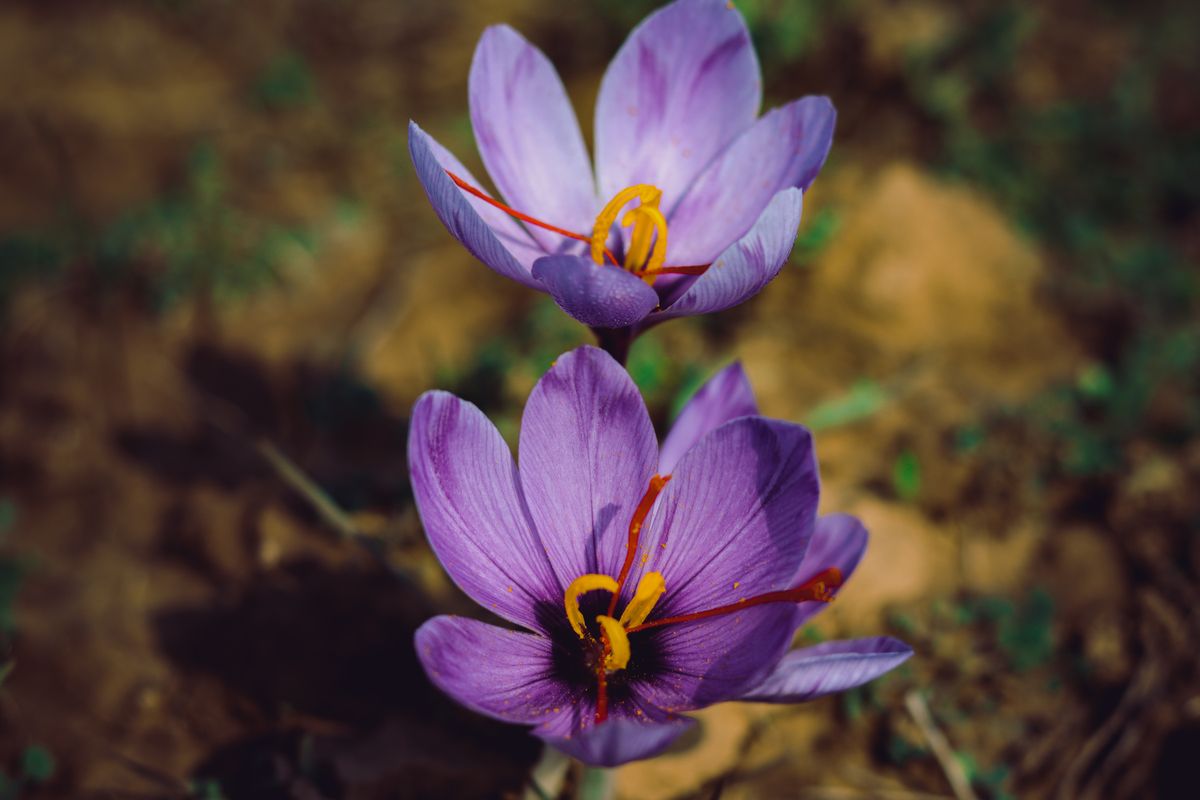
Autumn crocus (Colchicum autumnale) is often confused with the common spring-blooming crocus, which is only mildly irritating if eaten — a mix-up that matters, because autumn crocus contains colchicine, a compound that can cause severe, sometimes delayed, damage to the gastrointestinal tract, bone marrow, liver, and kidneys.
The delayed nature of this one is what makes it particularly worth knowing about: initial vomiting might resolve, giving a false sense that the danger has passed, before more serious symptoms emerge over the following days as colchicine's effects on bone marrow and organs progress.
Symptoms to watch for: vomiting and drooling within hours, which may improve temporarily, followed by lethargy, decreased appetite, and signs of organ effects (increased thirst, unusual bruising, or bleeding) over the next several days.
What to do right now: if you can identify the plant specifically as autumn crocus rather than spring crocus, treat it with real urgency — same-day assessment regardless of how mild initial symptoms seem, given the delayed and serious nature of the full toxicity picture.
When it's an emergency: any known ingestion of true autumn crocus, and immediately if any bruising, bleeding, or worsening lethargy appears in the days following.
## Related Reading
- Azaleas and Rhododendrons: A Common Landscaping Danger
- Chrysanthemums: The Pyrethrin-Containing Flower
- Batteries: A Chemical and Mechanical Double Threat
---
This is general information, not a substitute for an actual assessment of your specific pet, weight, and situation. If you're ever unsure whether something your pet ate needs immediate attention, a quick video vet consultation can tell you in minutes whether to monitor at home or head to a clinic.
Still have questions?
Don't rely on Google if your pet is showing symptoms. Get a professional opinion in minutes.
Talk to a Vet Now