Chrysanthemums: The Pyrethrin-Containing Flower
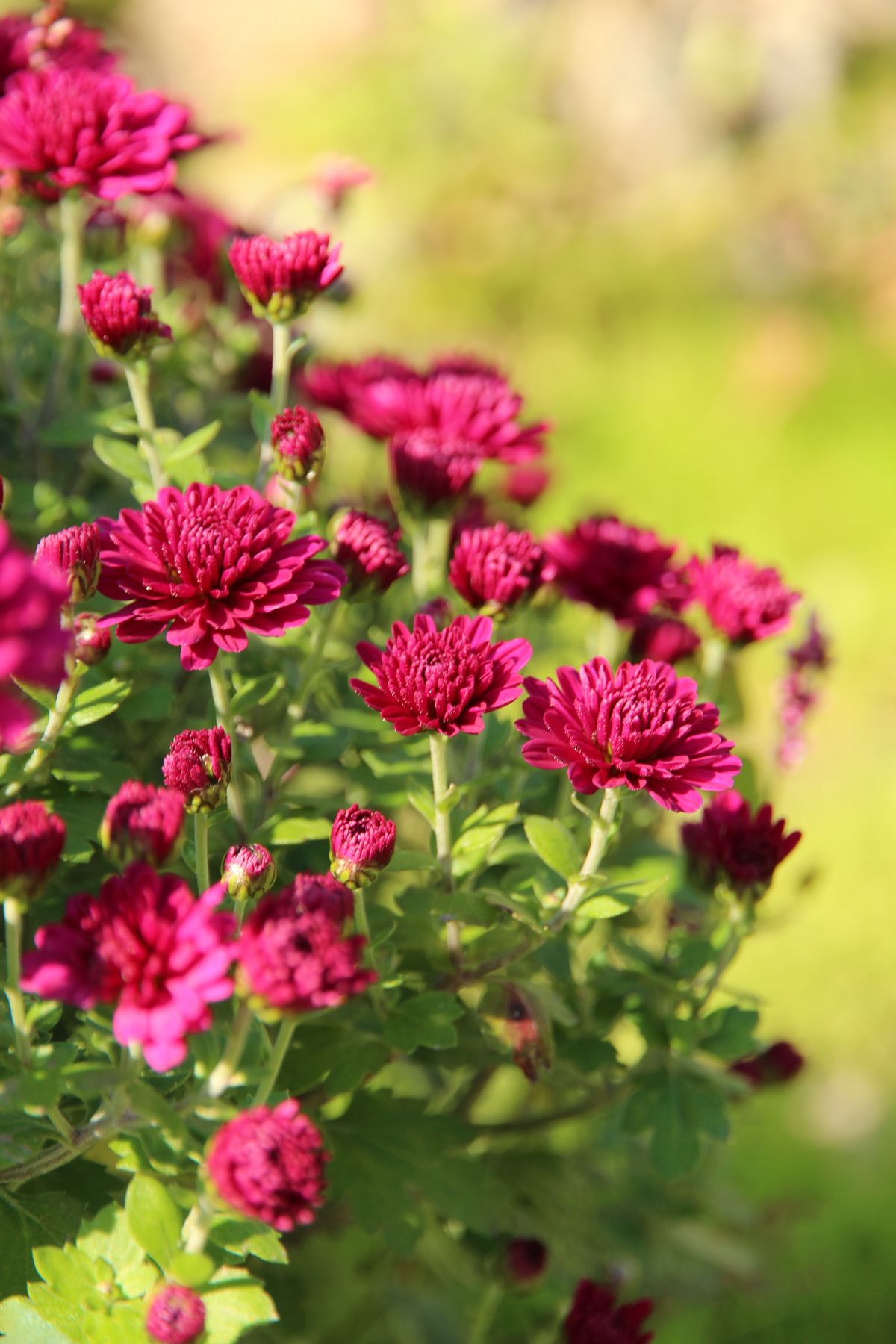
Chrysanthemums contain naturally occurring pyrethrins, compounds so effective as insect repellents that they're extracted and used in many commercial flea and tick products — which is a useful bit of context, because it explains why ingestion produces symptoms similar to what's seen with pyrethrin-based product overexposure (covered separately for cats, who are notably more sensitive to this compound class than dogs).
Most chrysanthemum ingestions are mild, especially in dogs, but the symptom profile is worth recognizing since it overlaps with more serious pyrethrin exposures.
Symptoms to watch for: drooling, vomiting, diarrhea, and mild incoordination. Cats may show more pronounced tremors or agitation than dogs given their general sensitivity to this compound class.
What to do right now: for typical exposure — a dog or cat chewing on a few petals or leaves — monitoring at home for the digestive symptoms above is usually reasonable. In cats specifically, or with any tremors in either species, getting an assessment is worth the extra caution given cats' known sensitivity to pyrethrins generally.
When it's an emergency: any tremors or significant incoordination, particularly in cats.
## Related Reading
- Foxglove: A Garden Beauty With a Genuinely Dangerous Heart Effect
- Castor Beans: An Uncommon but Extremely Dangerous Seed
- Hops: A Surprising and Serious Danger for Dogs
---
This is general information, not a substitute for an actual assessment of your specific pet, weight, and situation. If you're ever unsure whether something your pet ate needs immediate attention, a quick video vet consultation can tell you in minutes whether to monitor at home or head to a clinic.
Still have questions?
Don't rely on Google if your pet is showing symptoms. Get a professional opinion in minutes.
Talk to a Vet Now