Antidepressants and Pets: An Increasingly Common Accidental Poisoning
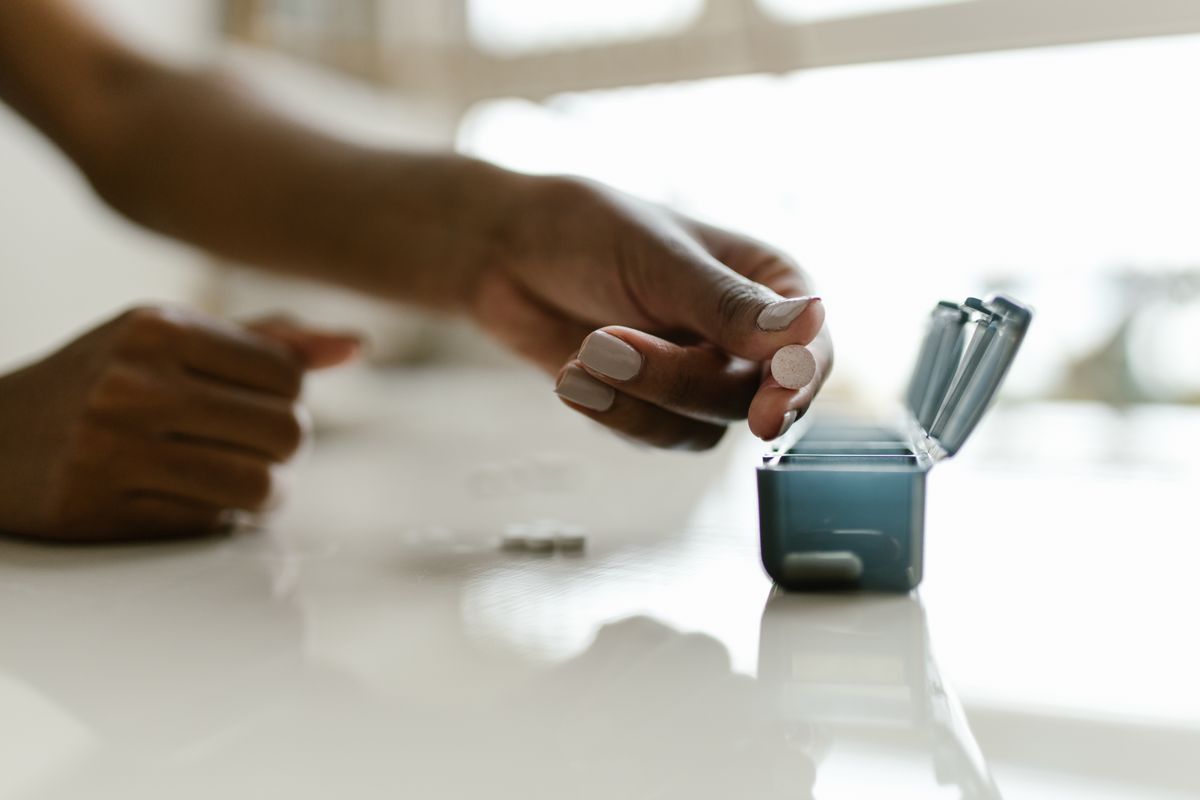
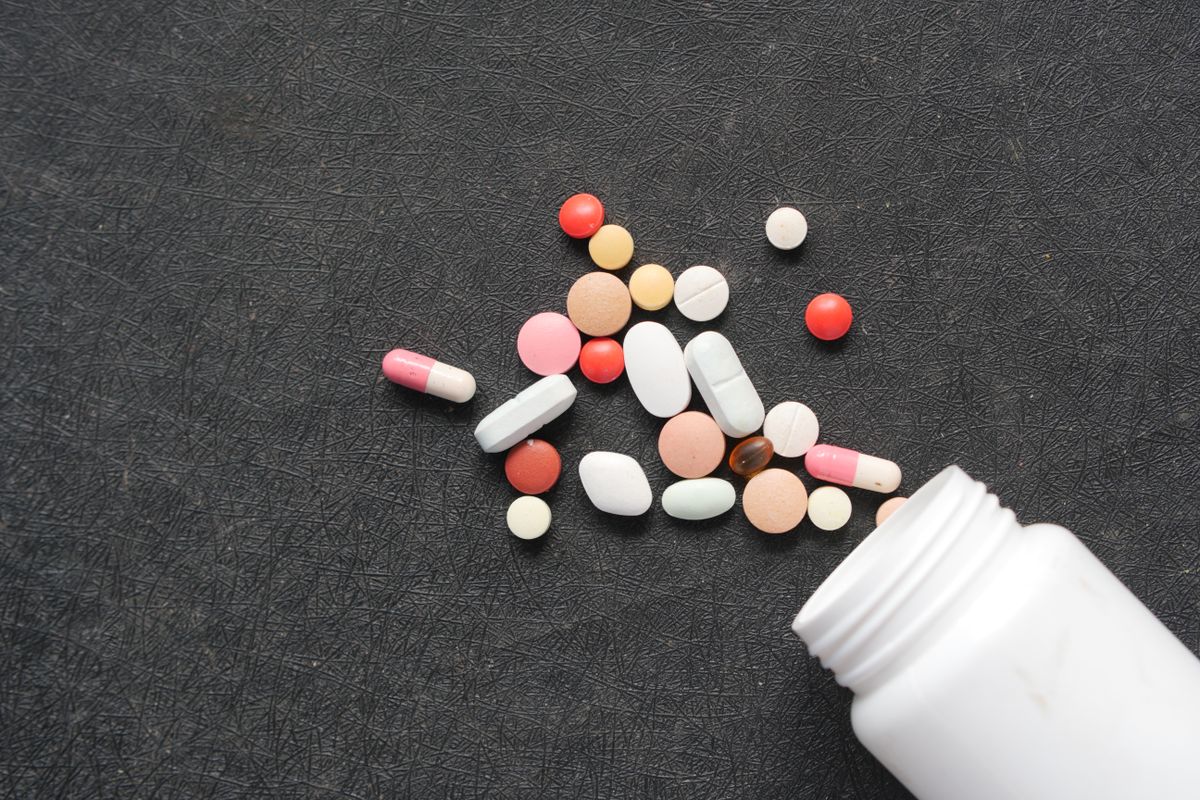
As antidepressant medications have become more commonly prescribed, accidental pet ingestion has become one of the more frequent human-medication poisonings vets see. Different classes (SSRIs, SNRIs, tricyclics, and others) have somewhat different effects, but there's enough overlap in the general danger picture that any accidental ingestion is worth taking seriously regardless of the specific medication name.
Cats, interestingly, sometimes seek out certain antidepressants that have been reported to have a mildly attractive taste or smell to them, which is a less common but real access pathway beyond the usual dropped-pill scenario.
Symptoms to watch for: agitation, vocalization, dilated pupils, tremors, an elevated heart rate, and in more serious cases, seizures — a set of symptoms sometimes referred to as serotonin-related toxicity when severe. Some sedating types can instead cause lethargy and wobbliness rather than agitation, depending on the specific medication.
What to do right now: any known or suspected ingestion of any antidepressant medication should be assessed the same day at minimum, and treated as an emergency if any agitation, tremors, or significant behavior change appears.
When it's an emergency: any tremors, seizures, or significant agitation/vocalization following ingestion.
## Related Reading
- Human Painkillers Are More Dangerous to Pets Than People Assume
- My Dog Got Into Marijuana Edibles — What Actually Happens
- Christmas Tree Water: The Overlooked Holiday Hazard
---
This is general information, not a substitute for an actual assessment of your specific pet, weight, and situation. If you're ever unsure whether something your pet ate needs immediate attention, a quick video vet consultation can tell you in minutes whether to monitor at home or head to a clinic.
Still have questions?
Don't rely on Google if your pet is showing symptoms. Get a professional opinion in minutes.
Talk to a Vet Now