Human Painkillers Are More Dangerous to Pets Than People Assume
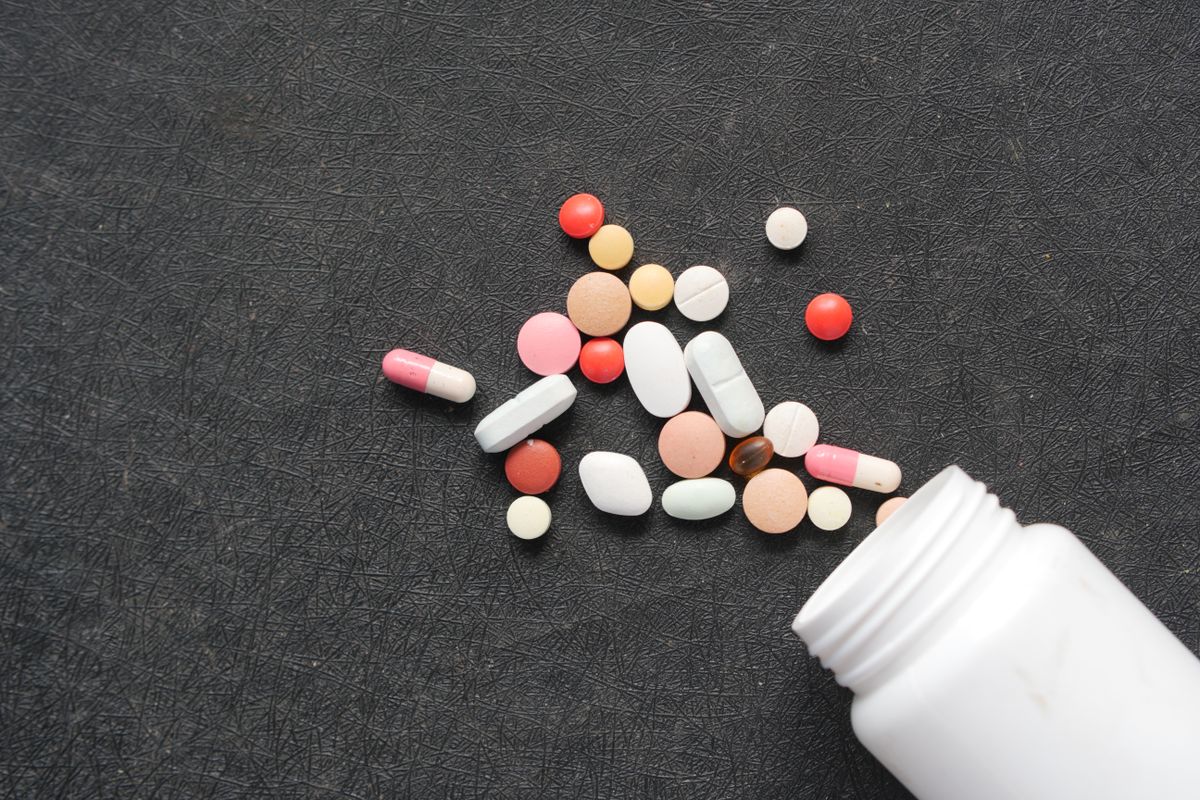
Human NSAIDs like ibuprofen and naproxen are metabolized very differently by dogs and cats than by people, and the margin between a human dose and a toxic dose for a pet is much narrower than most people assume. This is one of the most common accidental poisonings vets encounter, usually from a dropped pill, a pet raiding a purse or nightstand, or a well-meaning owner giving their pet human pain medication for a limp or discomfort without realizing the risk.
These medications primarily damage the stomach lining and kidneys in pets, and cats are generally even more sensitive than dogs.
Symptoms to watch for: vomiting (sometimes with blood), dark or tarry stool, decreased appetite, and lethargy as stomach and kidney effects develop, sometimes over a day or two rather than immediately.
What to do right now: any known ingestion of a human NSAID should be treated as needing same-day assessment, even if your pet seems fine immediately afterward — a lot of the real damage develops over the following 24-48 hours, and earlier intervention meaningfully changes outcomes.
When it's an emergency: any known ingestion, plus immediately if vomiting with blood or dark stool appears at any point afterward.
## Related Reading
- Human ADHD Medication Poses a Serious Risk to Pets
- Why Tylenol Is Especially Dangerous for Cats
- Why Dog Flea Treatment Can Be Deadly for Cats
---
This is general information, not a substitute for an actual assessment of your specific pet, weight, and situation. If you're ever unsure whether something your pet ate needs immediate attention, a quick video vet consultation can tell you in minutes whether to monitor at home or head to a clinic.
Still have questions?
Don't rely on Google if your pet is showing symptoms. Get a professional opinion in minutes.
Talk to a Vet Now