Is Poinsettia Actually Toxic? Debunking the Holiday Myth
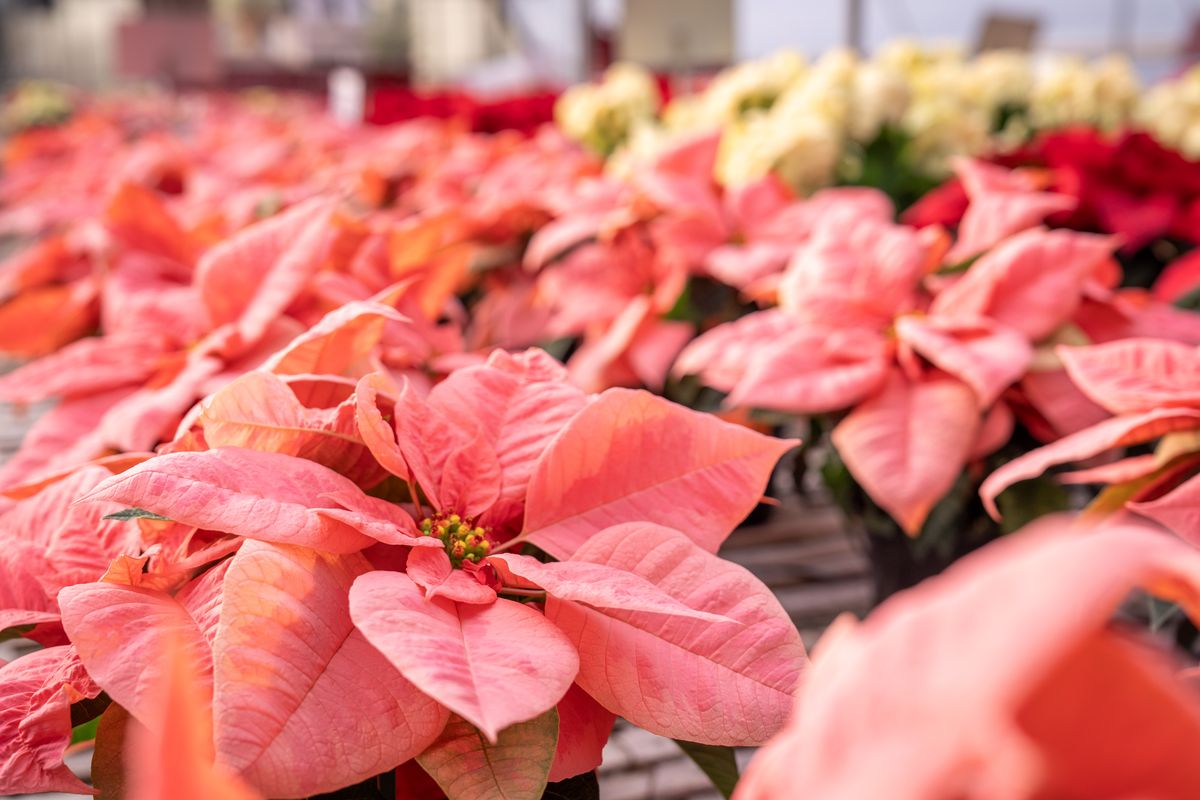
Poinsettias have one of the most exaggerated toxic reputations of any common houseplant, largely built on outdated information that's been repeated for decades without much basis. The sap does contain compounds that are irritating to the mouth and digestive tract, but actual poisoning cases are essentially nonexistent, and most exposures result in nothing more than mild, self-limiting stomach upset.
This is worth including specifically as a reassurance entry, because the fear around this particular plant is disproportionate enough that it's worth actively correcting rather than reinforcing.
Symptoms to watch for: mild drooling, occasional vomiting, and lip-smacking or pawing at the mouth from the irritating sap — generally resolving within a few hours without any specific treatment.
What to do right now: for typical exposure, offering water and keeping an eye on your pet for the next few hours is genuinely sufficient in the vast majority of cases. There's no need for the level of alarm this plant's reputation usually generates.
When it's an emergency: essentially never from poinsettia alone — but if symptoms are severe, prolonged beyond several hours, or don't match this mild profile, it's worth considering whether something else was also ingested.
## Related Reading
- Castor Beans: An Uncommon but Extremely Dangerous Seed
- Mistletoe and Holly: Holiday Plants With Real Risk
- Which Peanut Butter Is Actually Safe for Dogs?
---
This is general information, not a substitute for an actual assessment of your specific pet, weight, and situation. If you're ever unsure whether something your pet ate needs immediate attention, a quick video vet consultation can tell you in minutes whether to monitor at home or head to a clinic.
Still have questions?
Don't rely on Google if your pet is showing symptoms. Get a professional opinion in minutes.
Talk to a Vet Now