Hand Sanitizer: A Small Bottle, a Real Alcohol Risk
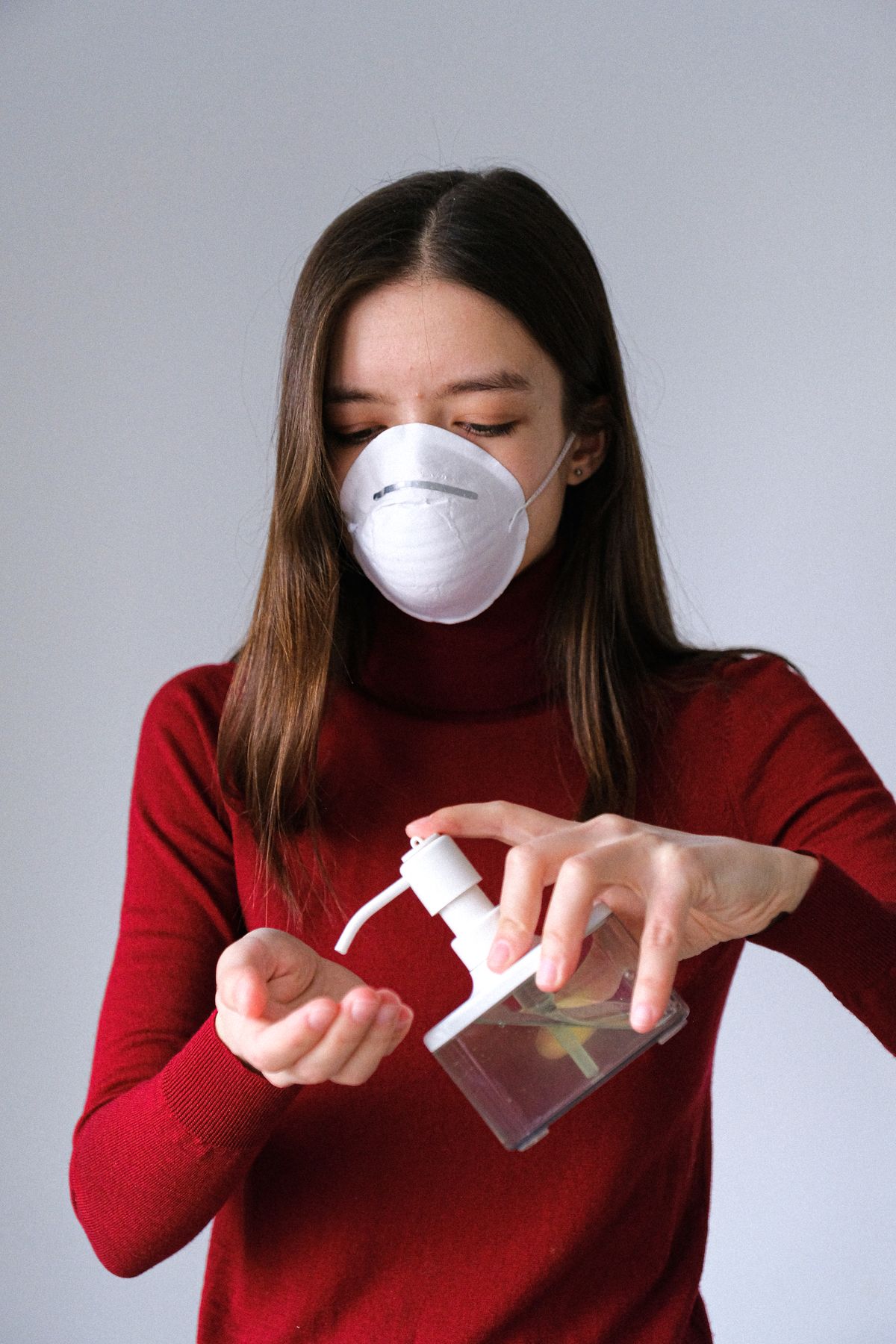
Hand sanitizer became a lot more common in households over the past several years, and most formulations are 60-70% alcohol by volume — concentrated enough that a punctured travel bottle or a curious chew on a pump dispenser represents a real alcohol exposure, not just an unpleasant taste. Smaller pets are at higher risk simply because the same volume represents a larger proportional dose.
Symptoms to watch for: the same profile as other alcohol exposures — disorientation, stumbling or loss of coordination, vomiting, lethargy, and in more significant ingestions, low body temperature or slowed breathing.
What to do right now: if a bottle or pump was punctured or chewed, try to estimate how much might actually have been ingested versus just gotten on fur or the floor — a small lick is different from a fully punctured travel bottle emptied onto the carpet that your pet then had access to. Get an assessment based on that estimate and your pet's size.
When it's an emergency: any signs of disorientation, wobbliness, or vomiting following exposure, or any ingestion involving a substantial amount from a punctured or chewed container.
## Related Reading
- Rat and Mouse Poison: What to Do If Your Pet Got Into It
- Antifreeze Poisoning: Why Minutes Matter
- Coffee, Tea, and Energy Drinks: Caffeine Toxicity in Pets
---
This is general information, not a substitute for an actual assessment of your specific pet, weight, and situation. If you're ever unsure whether something your pet ate needs immediate attention, a quick video vet consultation can tell you in minutes whether to monitor at home or head to a clinic.
Still have questions?
Don't rely on Google if your pet is showing symptoms. Get a professional opinion in minutes.
Talk to a Vet Now