Is Avocado Actually Dangerous for Dogs?
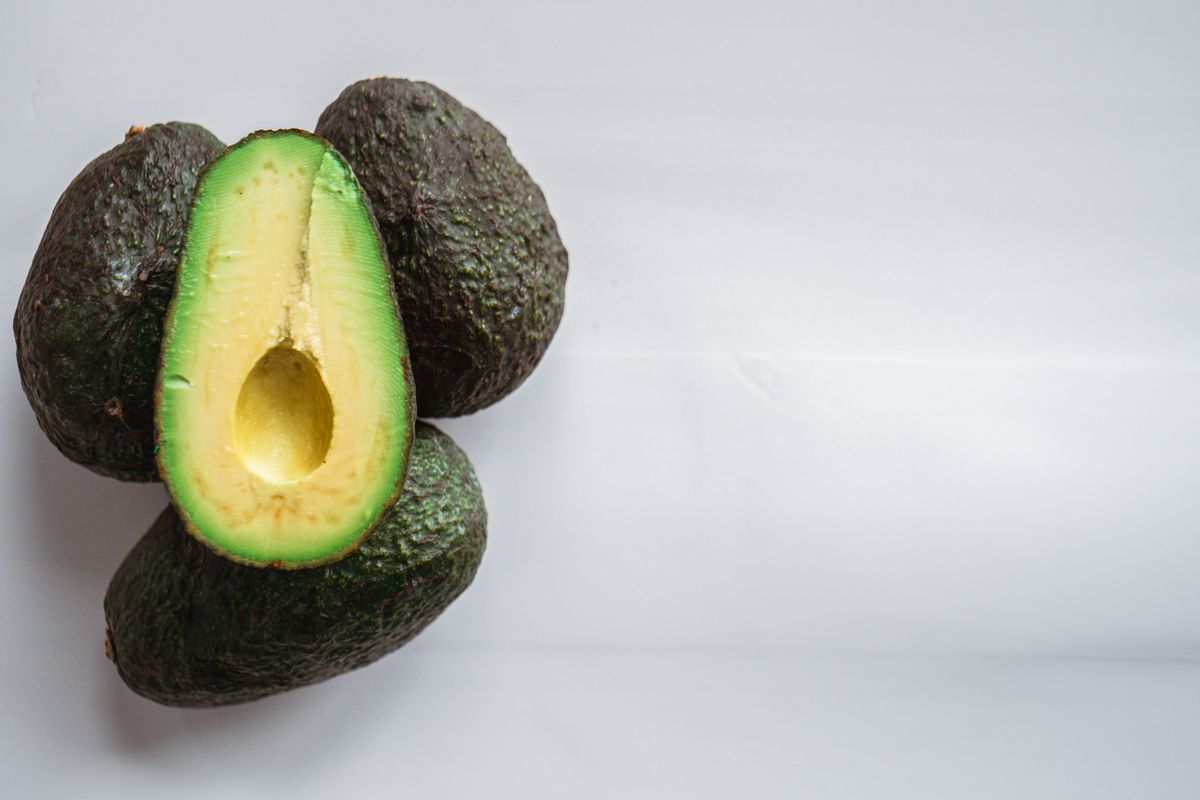
Avocado contains a compound called persin, which is genuinely dangerous to birds and some livestock in fairly small amounts. For dogs, the picture is less dramatic than the internet often suggests — dogs are considerably more resistant to persin than birds are, and most reported issues in dogs come from the fat content and the pit, not persin toxicity itself.
That doesn't make avocado a safe snack to hand out freely. The high fat content can trigger pancreatitis, especially in dogs prone to it, and the pit is a genuine choking and intestinal blockage hazard — arguably the bigger real-world risk of the two.
Symptoms to watch for: vomiting and diarrhea from fat content or mild persin sensitivity; choking, gagging, or straining to pass stool if a pit was swallowed.
What to do right now: if your dog ate avocado flesh in a small amount, monitoring for digestive upset is usually reasonable. If a pit is missing and unaccounted for, that's a different and more urgent question about a potential obstruction, not a toxicity one.
When it's an emergency: any signs of a swallowed pit — repeated unproductive vomiting, straining, lethargy, or visible distress — should be treated as a possible blockage, not a wait-and-see situation.
## Related Reading
- Which Peanut Butter Is Actually Safe for Dogs?
- Grapes and Raisins Are More Dangerous to Dogs Than Most Owners Realize
- Lilies Are an Emergency for Cats, Not Just an Irritant
---
This is general information, not a substitute for an actual assessment of your specific pet, weight, and situation. If you're ever unsure whether something your pet ate needs immediate attention, a quick video vet consultation can tell you in minutes whether to monitor at home or head to a clinic.
Still have questions?
Don't rely on Google if your pet is showing symptoms. Get a professional opinion in minutes.
Talk to a Vet Now