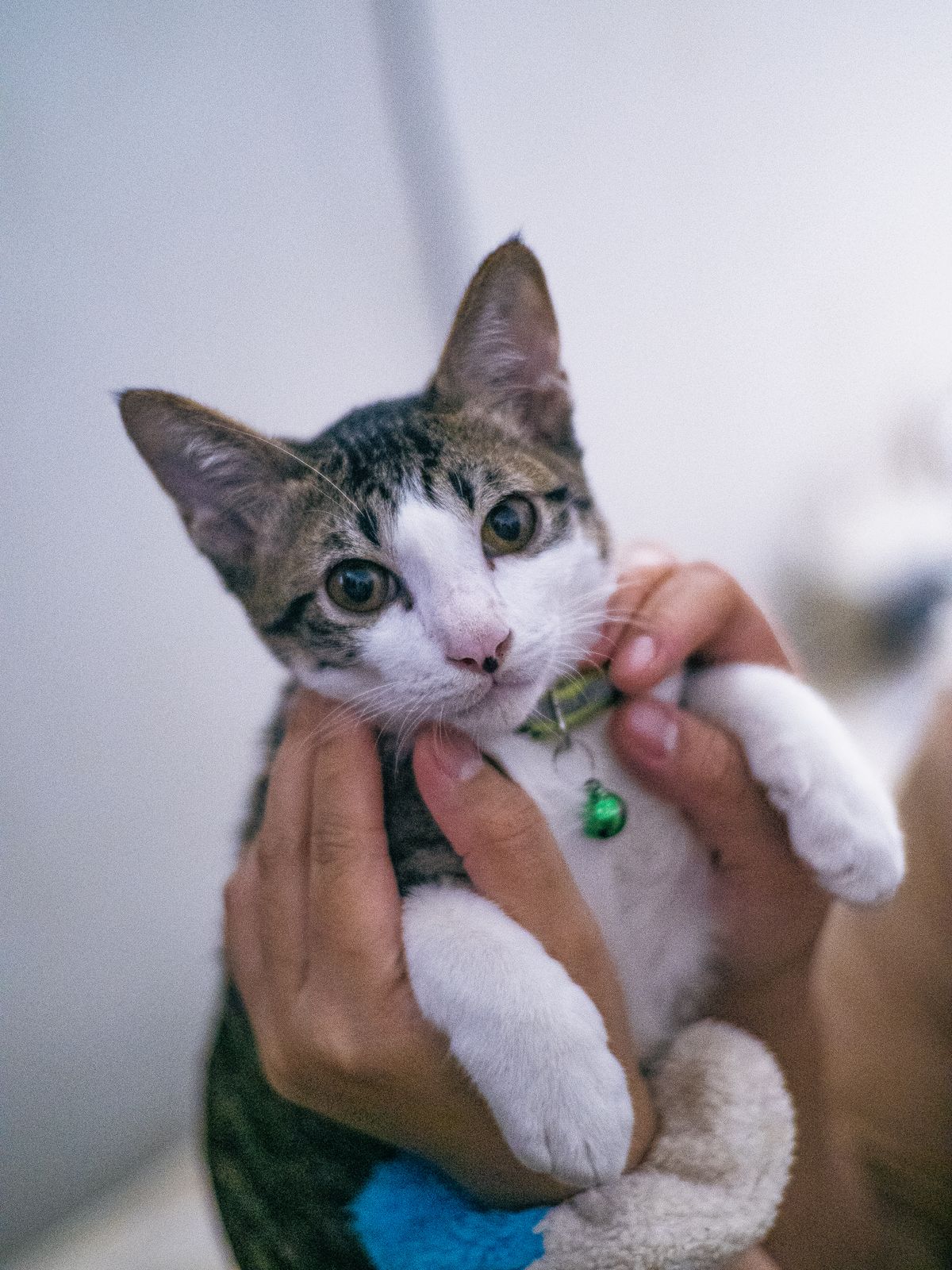
Kitten Nutrition: Choosing and Transitioning Foods

Kitten-specific food formulas provide meaningfully higher protein, fat, and calorie density than adult cat food, reflecting the genuine energy and nutrient demands of rapid early growth — feeding an adult formula to a growing kitten can result in inadequate nutrition during this critical developmental window.
Life-stage labeling matters — checking that a food is specifically labeled for kittens or "growth" life stage, rather than assuming any cat food from a trusted brand is automatically appropriate, protects against this mismatch during a period where nutritional needs are genuinely different from adult cats.
Wet food offers specific advantages for kittens beyond palatability — the higher moisture content supports hydration, which matters given how many adult cats develop mild chronic dehydration on dry-food-only diets, and starting good hydration habits during kittenhood may help establish better lifelong patterns, though dry food kitten formulas are also nutritionally complete if that's your preference.
Transitioning to a new food should happen gradually, over 7-10 days, mixing increasing proportions of new food with old — kittens can be particularly prone to digestive upset from an abrupt switch given their still-developing digestive systems.
Free-feeding versus scheduled meals is a genuine choice point — some kittens do well with food available throughout the day, while others benefit from scheduled meals that make monitoring appetite (an important early warning sign) easier, since a free-fed kitten's exact intake is harder to track than a kitten eating defined meals.
What to do: Choose a food specifically labeled for kitten growth, transition any change gradually, and consider how your feeding approach (free-feeding versus scheduled) affects your ability to monitor appetite as an ongoing health signal.
For why monitoring appetite specifically matters so much in kittens, here's more on that connection.
Still have questions?
Don't rely on Google if your pet is showing symptoms. Get a professional opinion in minutes.
Talk to a Vet Now