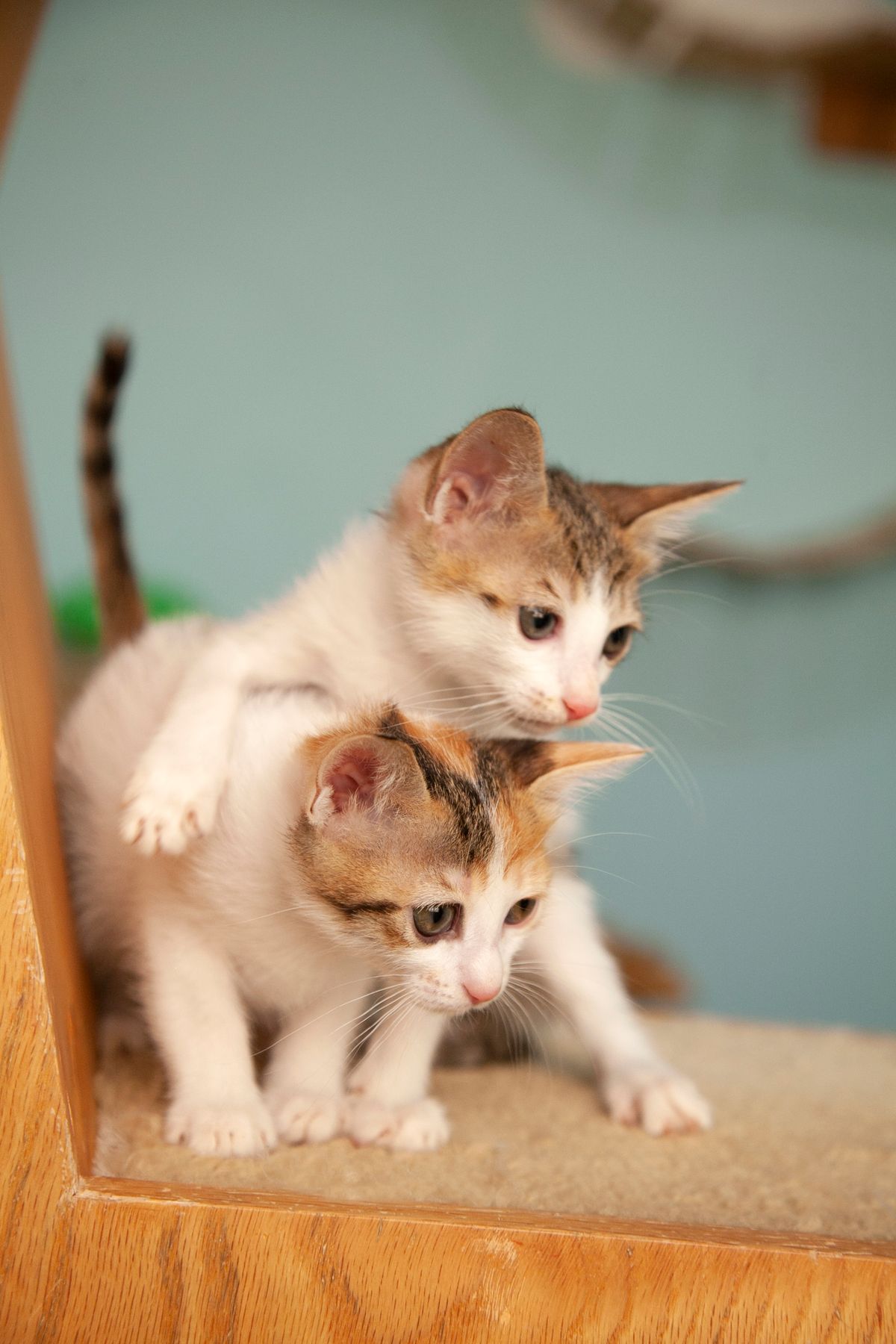
When Kittens Should See a Vet for the First Time

The first vet visit should happen within the first few days of bringing a new kitten home, similar to the puppy equivalent, even if the kitten seems perfectly healthy and playful.
Establishing a health baseline — weight, temperature, general body condition, and a full physical exam — gives a reference point for future visits and can catch congenital issues or developmental concerns worth addressing early.
Beginning or continuing the vaccination series, particularly important for kittens with unclear vaccination history from a shelter or unknown background.
FeLV and FIV testing is often recommended at this first visit, particularly for kittens from shelter, stray, or unknown backgrounds — these retroviruses can be present without obvious symptoms, and knowing status early affects both management decisions and precautions if you have other cats at home.
A fecal test for intestinal parasites, extremely common in kittens and often present without dramatic symptoms, is a standard part of this early visit.
Discussing respiratory infection risk specifically given how common upper respiratory infections are in kittens from multi-cat backgrounds — your vet can advise on what symptoms to watch for and how to manage a mild case if one develops shortly after adoption, which is a genuinely common early scenario.
Setting up a forward plan for vaccination completion, spay/neuter timing, and nutrition guidance specific to your kitten's situation.
What to do: Schedule this visit within the first few days, request FeLV/FIV testing particularly for kittens of unknown background, and bring any existing records from a shelter or previous source to help establish a complete picture.
For the full vaccination path this visit typically initiates, here's the complete schedule.
Still have questions?
Don't rely on Google if your pet is showing symptoms. Get a professional opinion in minutes.
Talk to a Vet Now