Common Kitten Health Problems in the First Year
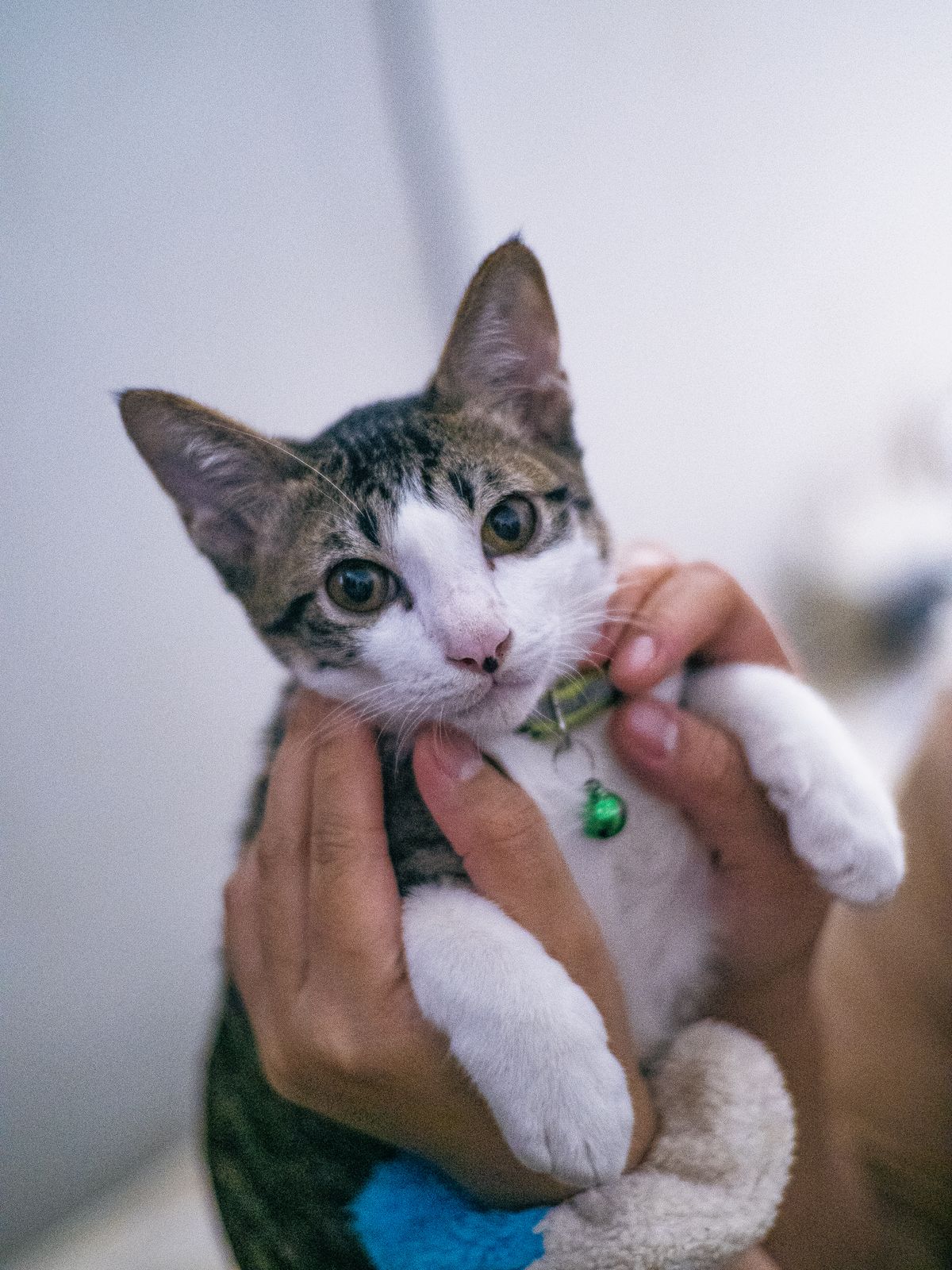
Kitten health issues tend to cluster around a fairly predictable set of categories during the first year, many connected to their still-developing immune systems and the small size that reduces their margin for error compared to adult cats.
Upper respiratory infections are extremely common, particularly in kittens from shelters or multi-cat environments where viruses spread easily — the sneezing, discharge, and mild lethargy pattern covered elsewhere is one of the most frequent early kitten health issues.
Intestinal parasites show up commonly regardless of source, sometimes causing visible diarrhea or vomiting, sometimes causing more subtle poor weight gain without dramatic symptoms — a fecal test at early vet visits catches many cases that wouldn't otherwise be obvious.
Ear mites and fleas are common external parasites in kittens, particularly those from outdoor or shelter backgrounds, causing itching, head shaking, or visible debris in the ears.
Ringworm, a fungal skin infection despite the misleading name, is more common in kittens than adult cats and shows up as circular patches of hair loss or flaky skin, requiring specific antifungal treatment rather than resolving on its own.
Appetite and weight concerns deserve particular attention given kittens' limited reserves — any kitten not gaining weight appropriately, or showing appetite loss, warrants faster investigation than the same concern might in an adult cat.
Injury from typical kitten behavior — falls from exploring high places, minor scratches from rough play — round out the more common physical injury category, generally minor but worth monitoring for anything beyond superficial.
What to do: Recognize these common categories to help identify what you might be dealing with, but confirm with a vet rather than self-diagnosing, particularly for appetite or weight concerns given how quickly kittens can decline.
For appetite-related concerns specifically, here's a closer look at when that symptom needs fast attention.
Still have questions?
Don't rely on Google if your pet is showing symptoms. Get a professional opinion in minutes.
Talk to a Vet Now